
What two storms did to the prototype
The ArkPad-C prototype came through two storms that overturned cars on land. That single sentence is the strongest engineering claim ArkPad has — and almost nothing behind it has been published.
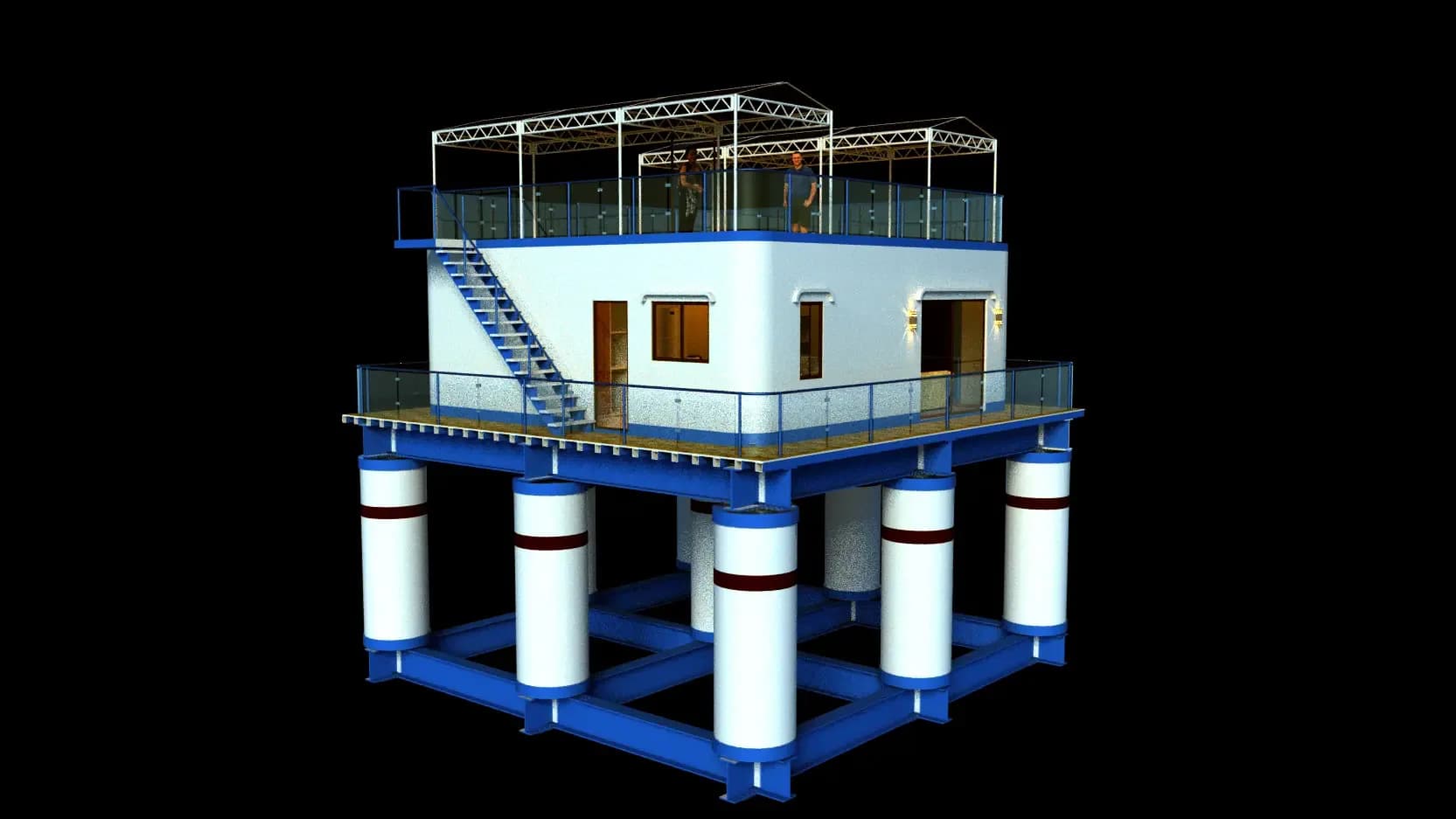
There is one sentence in the public record about ArkPad that an engineer will stop at:
The amazing ArkPad-C prototype has survived two storms that overturned cars and devastated homes on land.
That is The Seasteading Institute, writing in February 2025. It is the single most important claim anyone makes about this company, and it is worth being precise about both what it establishes and what it does not.
What it establishes
A floating structure came through two events severe enough to flip vehicles ashore. The prototype was launched at Nabas, in Aklan — the northwest tip of Panay, facing the Sibuyan Sea. That coast takes weather.
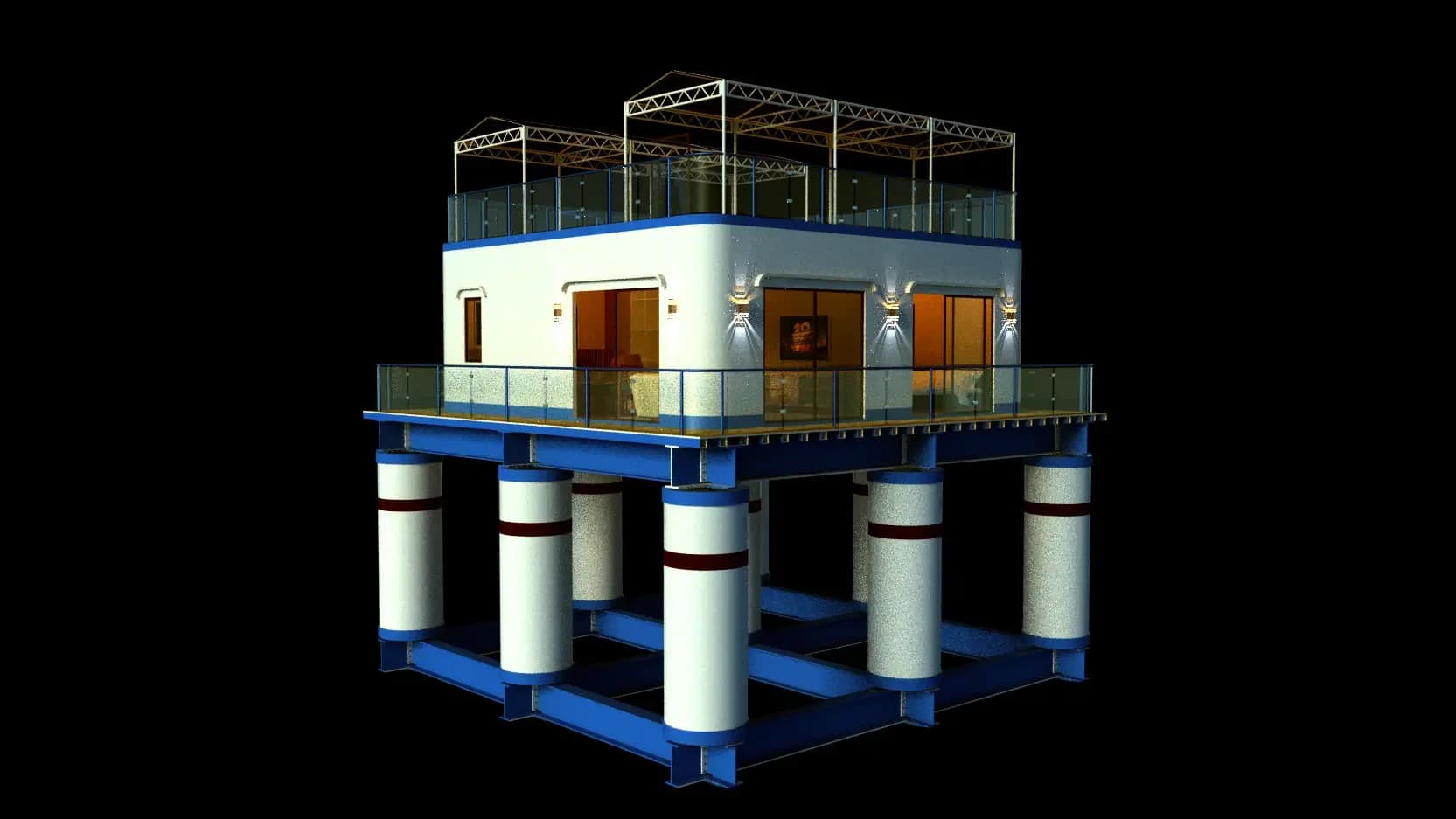
The design intent is public. The platform uses spars to hold its balance in large waves, and it has a shallow draft so it can sit in water close to shore rather than needing depth. Those two choices pull in opposite directions: shallow draft usually means a lively ride, and spar geometry is how you buy stability back. Coming through a storm is evidence the compromise was struck in roughly the right place.
What it does not establish
Almost everything else. No storm names. No dates. No measured or estimated wave height. No wind speed. No account of what the platform actually did — how much it moved, whether mooring lines held, whether anything was damaged, whether anyone was aboard.
There is no post-event inspection published, and no statement of what changed in the design afterwards. For a claim doing this much work, that is a lot of empty space.
Why this matters more than the renderings
Anyone can produce a picture of a floating house. Very few people have one that has been hit by a Philippine storm and is still there.
Survival under load is the claim that separates a design study from a product, and it is the first thing a technically literate investor will probe. Right now the honest answer is: it happened, it is reported by a credible third party, and the detail that would let you verify it has not been written down.
That detail is the most valuable thing ArkPad could publish. Two dates, two wave-height estimates, a paragraph on what was inspected afterwards, and a photograph taken the morning after would do more for the company's credibility than any amount of new marketing copy.
For context on price
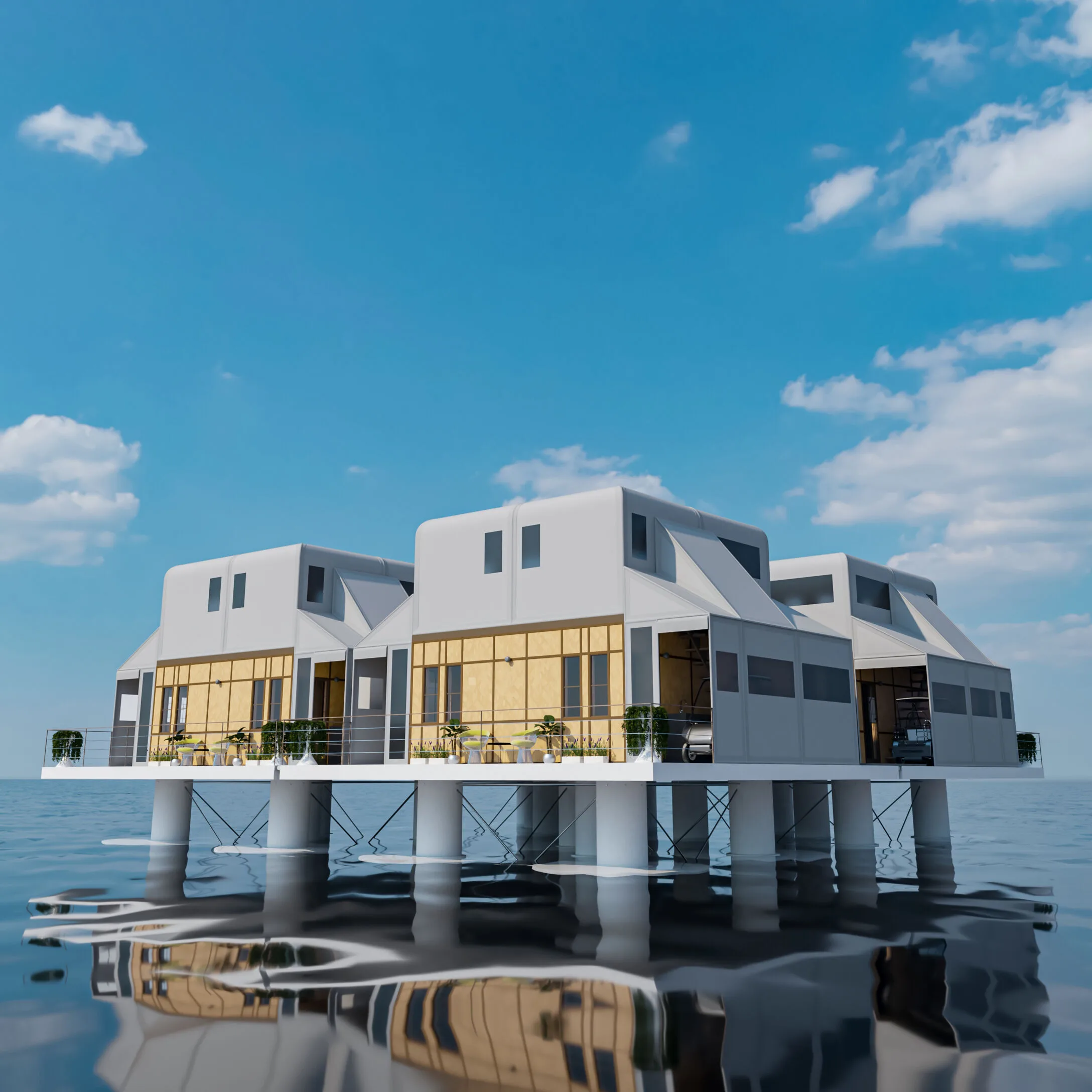
The ArkPad-C was presented at the Liberty in Our Lifetime conference in 2024 with a starting price of $165,000. That is the figure in the public record; this site does not have a current price list, and the model has since been renamed the ArkPad-D.
Talk to us
Something here you want to ask about?
Questions about anything in this post, a figure you would like sourced, or something you think is worth writing up — send it over.